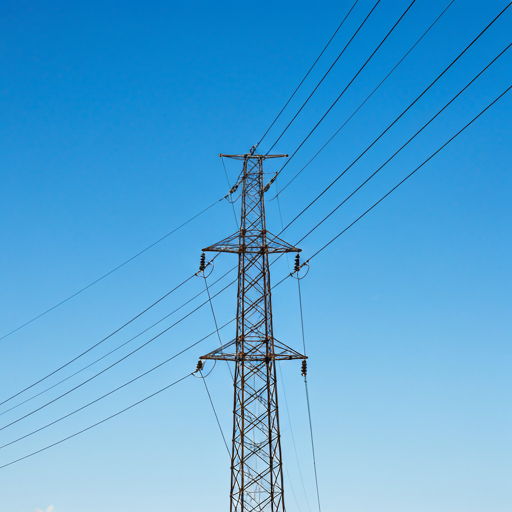
These are the leading causes of DT failures that are directly within the control of consumers and the public. Every single one of them is preventable.
Hooking power directly from a line or DT without an authorised connection silently overloads the transformer beyond its rated capacity. Each illegal connection adds heat. When too many pile on, the transformer burns out — cutting power for every legitimate consumer in the locality.
Installing ACs, geysers, welding machines, industrial motors, or water pumps without informing KPDCL suddenly spikes load on the DT. The utility cannot plan for load it doesn't know about. A single large motor's starting current can damage transformer windings.
Draining transformer oil for resale, or stealing copper windings and components, directly destroys the transformer. A DT drained of its oil fails within hours. This is one of the most damaging acts affecting community power supply in Kashmir, and carries severe criminal penalties.
Kite strings — especially metallic or wet strings — can bridge conductors when entangled in power lines. The resulting short circuit sends a massive fault current through the transformer, burning out its windings instantly. Common during festivals and holidays, extremely dangerous both for the DT and for the kite flyer.
Building too close to overhead lines or the DT compound, or allowing trees to overhang lines, creates constant risk of contact. A falling branch, a construction rod, or scaffolding touching the line sends fault current into the transformer. Kashmir's heavy snowfall and wind makes overhanging trees especially dangerous.
Throwing stones, bricks, or other objects at transformers, insulators, or power lines causes physical damage that leads to faults, short circuits, and outages. Even minor physical damage to bushings or insulators can cause dangerous electrical faults and costly failures affecting the entire locality.